 KetoLock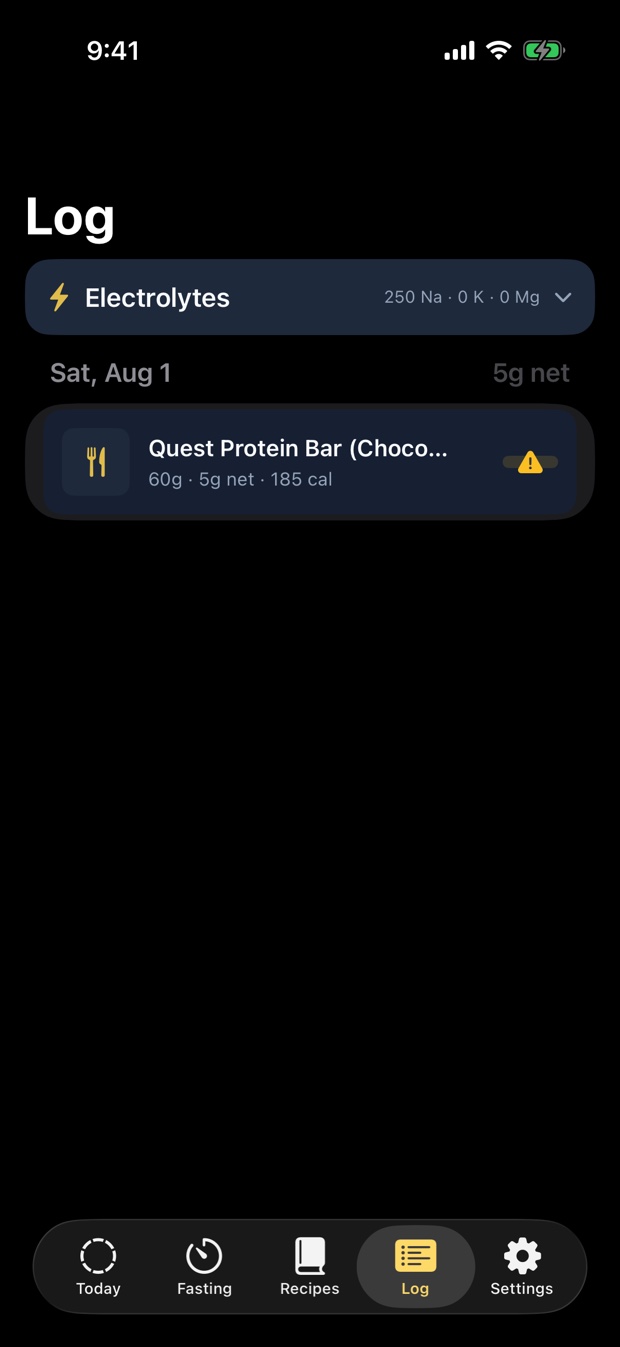
Elaine’s healthcare professional asked her to monitor her blood pressure and discuss lifestyle patterns. She had the blood-pressure readings, but her description of meals was broad: “mostly healthy,” “not much packaged food,” and “a few restaurant meals.”
She began photographing ordinary meals in KetoLock. The goal was not to make the app calculate a blood-pressure outcome. It was to preserve details that memory tended to simplify.
What the photograph could and could not show
The photo showed the main foods and rough visual portions. It did not reliably reveal sodium, a marinade, restaurant preparation, or the complete recipe. Elaine used package labels and restaurant information when available, then discussed relevant patterns with her clinician.
The American Heart Association recommends regular blood-pressure monitoring for people diagnosed with high blood pressure and notes that tracking can help patients and healthcare professionals see patterns. KetoLock’s meal history was supplementary context—not a substitute for those measurements or prescribed treatment.
Elaine separated evidence from assumptions
- A blood-pressure reading came from a validated monitor.
- A packaged-food value came from a matching label or database record.
- A restaurant meal remained an estimate unless the restaurant supplied details.
- Medication and treatment decisions stayed with her healthcare professional.
Keep a meal record you can actually review
Photograph the plate, correct what you know, and bring medical questions to your healthcare team.
Download KetoLock