 KetoLock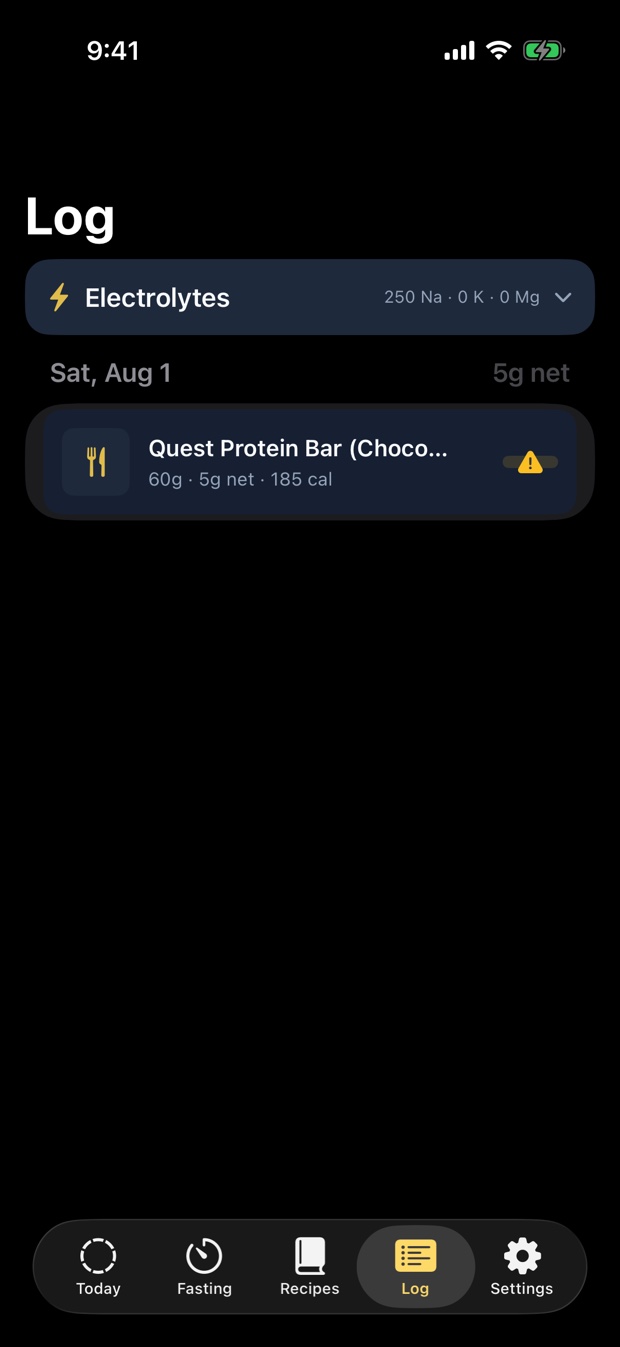
David felt unusually tired and noticed changes in his training. Online searches quickly led him to low-testosterone claims, supplements, and diet promises. Instead of self-diagnosing, he booked an appointment.
His physician explained that symptoms can have many causes and that low testosterone requires appropriate clinical assessment. The Endocrine Society recommends diagnosing hypogonadism only when compatible symptoms are accompanied by consistently low, accurately measured testosterone levels.
Where KetoLock fit
While the evaluation continued, David used KetoLock to build a more complete meal record. He photographed meals, corrected portions, and used barcode information for packaged foods. This helped him answer practical questions about his routine without claiming that a specific food caused—or would fix—his symptoms.
The record did not measure his hormones. It did not recommend testosterone therapy. It did not replace laboratory testing. It simply made one part of his health history easier to describe.
A safer response than chasing a “boost”
David treated bold promises as a warning sign. He kept his medical decisions with his clinician and used the app only for its intended purpose: reviewing and logging food.
- Seek professional evaluation for persistent symptoms.
- Do not use a nutrition estimate as a hormone measurement.
- Record ordinary meals, not only unusually “good” days.
- Bring questions and relevant history to the appointment.
Build a clearer meal history
KetoLock can help you capture and review meals while qualified clinicians handle diagnosis and treatment.
Download KetoLock